
Begin by taking the experience seriously
Pain is not an argument a person should have to win. When someone describes discomfort that affects sleep, movement or ordinary tasks, the first useful response is to understand what is happening. NIH information describes pain as an experience influenced by biological, psychological and social factors. [1] That complexity does not mean the experience is invented. It means that a single story may leave important parts unexplored. The article What Does the Nervous System Actually Control? provides background for understanding why sensation belongs within a larger nervous-system picture, while a clinical assessment addresses the individual situation.
A better description is more useful than a dramatic label
Write down where the pain is, how long it has been present, what it feels like and which activities make it better or worse. Explain the practical effect: interrupted sleep, difficulty sitting through work or a change in ordinary movement. The National Institute on Aging discusses describing pain and keeping a record to support a conversation with a health professional. [2] Such a record is not a verdict about the cause. It helps keep the consultation connected to lived experience. Avoid copying a diagnosis from another person simply because one part of their description feels familiar.
Do not turn complexity into a universal cure
A broad account of pain should not become a reason to sell one intervention as the answer to every problem. NCCIH reviews complementary approaches by condition and considers both usefulness and safety. [3] That is a more demanding standard than a confident testimonial. Ask which type of pain was studied, who participated and what outcome changed. A claim about one condition does not settle another. The same care is needed when discussing relaxation techniques: an approach may have a role in a wider plan without replacing investigation or guaranteeing relief.
Keep the person and the explanation in view
A practical conversation can hold two ideas together: the person is experiencing pain, and some aspects of the explanation may remain unresolved. Neither dismissing the person nor pretending certainty helps. Seek appropriate assessment for new, severe, worsening or concerning pain, and discuss changes in treatment with the clinician responsible for care. The Nervous System Code offers a further reading path into the nervous-system theme. In this library, the purpose is clearer understanding: a better account of the experience, a better set of questions and less temptation to mistake an appealing explanation for a complete answer.
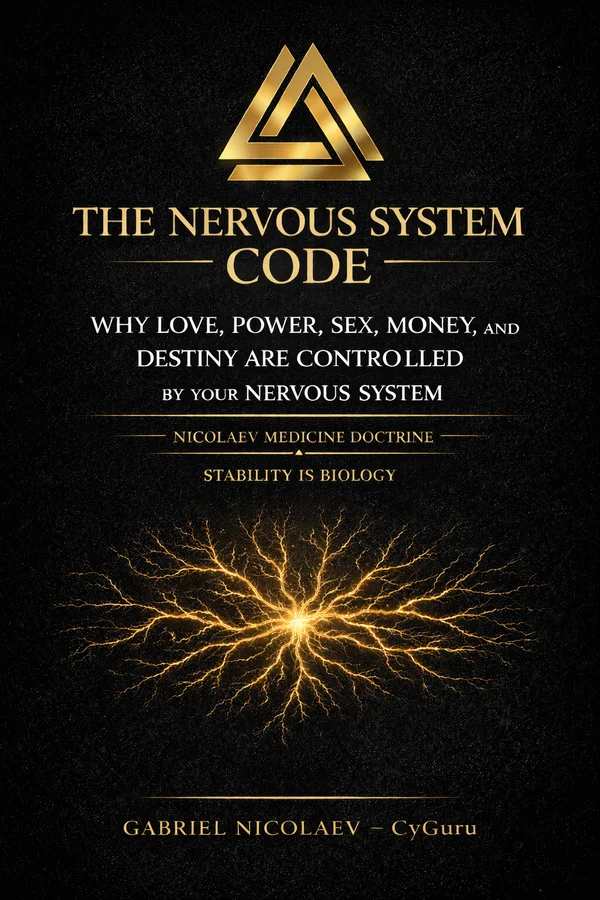
The Nervous System Code
Explore the nervous-system theme in Gabriel Nicolaev’s book collection.
Discover the book ↗Read the book overview →Sources & further reading
- NIH — Pain ↗
- National Institute on Aging — Pain: You can get help ↗
- NCCIH — Chronic pain and complementary health approaches ↗
Sources consulted 27 October 2026. Editorial frameworks and illustrative examples are identified within the text.