
Notice when the day has no ending
The working day can finish on a calendar while continuing in messages, open tabs and conversations with yourself. One more check becomes another decision, then another reason to remain available. This article proposes an editorial planning method for creating a clearer transition. It is not a treatment for insomnia. NHLBI guidance includes allowing quiet time before bed and maintaining a sleep-supportive routine. [1] That background matters because an evening review should have a boundary of its own. A review that expands into a second working session has changed its purpose, even if the notebook looks organised.
Move unfinished tasks into a named place
Before the intended wind-down period, write the unfinished item, its next concrete action and when it will be reconsidered. A vague instruction such as fix the business can occupy unlimited attention. A specific note such as check the supplier’s delivery date tomorrow has a clearer boundary. The method does not guarantee that thoughts will stop. It gives a thought somewhere to go besides an expanding mental argument. Connect this with attention as a work-design question: the structure of the task environment can be reviewed alongside your effort to concentrate within it.
Choose priorities before everything becomes urgent
An evening list is most useful when it distinguishes commitments from possibilities. Which task genuinely requires an early response? Which can wait? What information is missing? NIMH includes setting goals and priorities among its self-care suggestions. [2] The practical application here is deliberately modest: name tomorrow’s first useful action, then stop revising the whole future. Keep the review outside the bed if that helps preserve the distinction between planning and resting. A boundary should make the next step more legible; it should not become another performance standard against which to judge a difficult night.
Review patterns rather than demanding a perfect night
If you test this approach, observe whether the review stays brief, whether late messages keep reopening work and whether tomorrow’s first task becomes clearer. Avoid treating a single night as proof that a method works or fails. The library article Circadian Rhythm: Why Daily Timing Matters broadens the discussion beyond the final minutes before bed. Persistent sleep difficulties deserve assessment rather than an endless search for a better checklist. Continue with The Nervous System Code for the related theme, while using the linked health sources for the factual context of sleep and wellbeing.
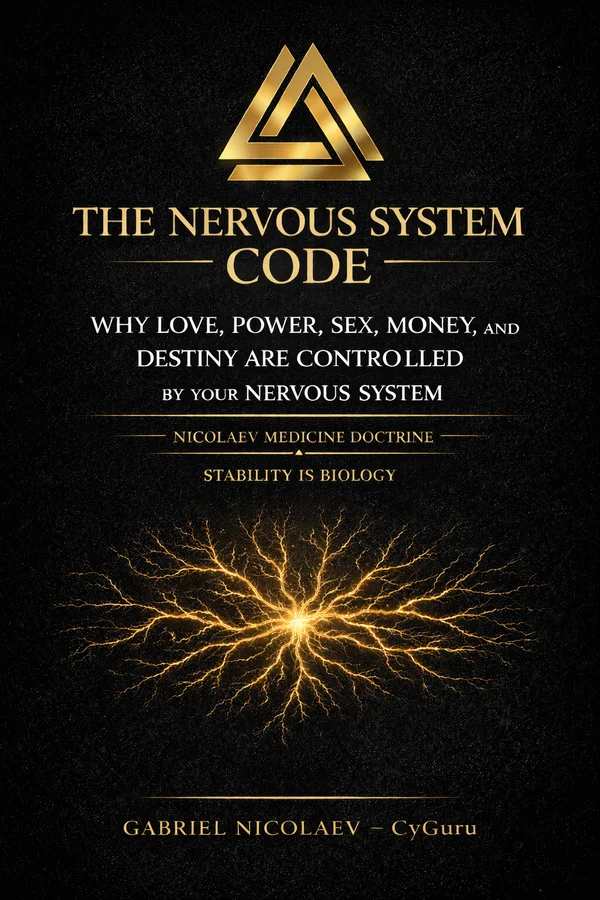
The Nervous System Code
Explore the nervous-system theme in Gabriel Nicolaev’s book collection.
Discover the book ↗Read the book overview →Sources & further reading
Sources consulted 27 October 2026. Editorial frameworks and illustrative examples are identified within the text.